 |
|
 Environmental sustainability is the ability to maintain ecological balance and conserve natural resources to support the well-being of current and future generations. It is about meeting present needs without compromising the ability of future generations to meet theirs. The three pillars of sustainability include social, economic, and environmental sustainability, with the latter focusing on protecting the environment through reduced resource consumption, waste, and carbon emissions. Organizations are increasingly adopting technologies like cloud and IoT solutions to track and reduce their environmental impact.
 The term “environmental” refers to anything related to the natural world and the conditions that surround and affect living organisms, including air, water, land, climate, and ecosystems. It is commonly used in ecological contexts to describe factors that influence human health and the planet, such as pollution, climate change, biodiversity loss, and the sustainable use of natural resources. For example, environmental health emphasizes the importance of clean air, stable climate, adequate water, sanitation, and protection from harmful chemicals and radiation for human well-being.
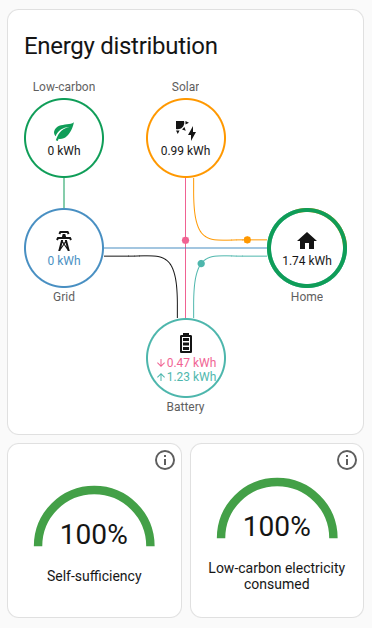 Vilamoura Marina Penthouse Credentials:
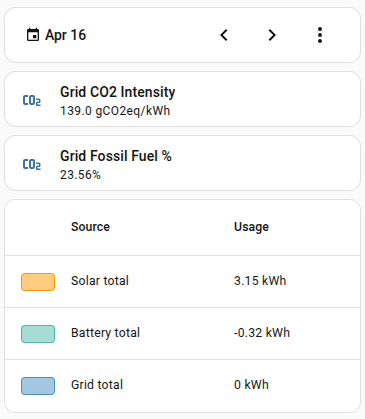
In off-peak periods, this apartment is 100% self-sufficient. Using the AC during sunlight hours is completely off-grid and the battery-backup is sufficient to carry the entire property throughout the night.
Global low-carbon electricity generation accounted for over 41% of the total supply in 2024, rising from roughly 40% in 2020, while fossil fuels still provided approximately 59% of the world’s electricity. Hydropower remains the largest single low-carbon source, contributing nearly 15% of global generation, followed by nuclear energy at close to 9%, wind at 8%, and solar at just over 7%. Per capita low-carbon electricity consumption reached 1,512 kWh in 2024, an increase from 1,410 kWh in 2023, indicating a growing but still limited adoption of clean energy sources. Certain countries like Paraguay, Iceland, Sweden, and France derive over 90% of their electricity from low-carbon sources, with France relying heavily on nuclear power and Iceland/Uruguay primarily on renewables like hydropower.
Key low-carbon technologies and their lifecycle greenhouse gas emissions (median gCO2eq/kWh) vary significantly:
-
Wind (Onshore/Offshore) and Nuclear: ~11-12 g/kWh
-
Solar (Utility/Rooftop): ~26-48 g/kWh
-
Geothermal: ~38 g/kWh
-
Hydropower: ~24 g/kWh (though highly variable, ranging from 1 to over 2,000 g/kWh depending on location)
-
Natural Gas (without CCS): ~490 g/kWh
The transition to low-carbon energy is driven by the need to reduce emissions from high-carbon sources like coal (median 820 g/kWh) and natural gas, with strategies including the electrification of transport, the use of hydrogen and biofuels in industry, and the implementation of Carbon Capture and Storage (CCS) for remaining fossil fuel plants.
