 |
|
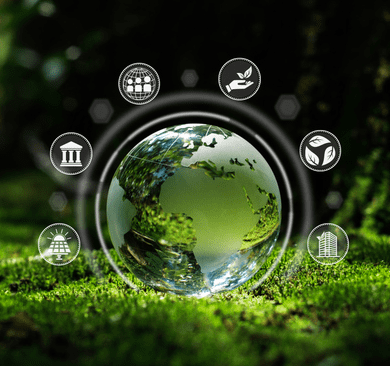 Environmental sustainability is the ability to maintain ecological balance and conserve natural resources to support the well-being of current and future generations. It is about meeting present needs without compromising the ability of future generations to meet theirs. The three pillars of sustainability include social, economic, and environmental sustainability, with the latter focusing on protecting the environment through reduced resource consumption, waste, and carbon emissions. Organizations are increasingly adopting technologies like cloud and IoT solutions to track and reduce their environmental impact.
 The term “environmental” refers to anything related to the natural world and the conditions that surround and affect living organisms, including air, water, land, climate, and ecosystems. It is commonly used in ecological contexts to describe factors that influence human health and the planet, such as pollution, climate change, biodiversity loss, and the sustainable use of natural resources. For example, environmental health emphasizes the importance of clean air, stable climate, adequate water, sanitation, and protection from harmful chemicals and radiation for human well-being.
